
extra large bathroom mirror
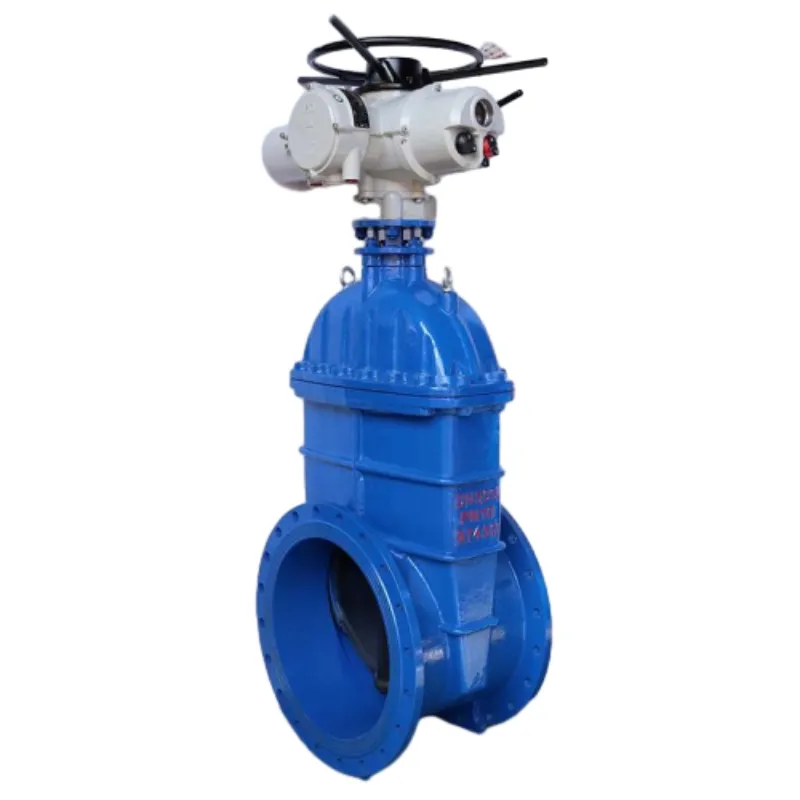
The Role of Gate Valves in Plumbing Systems Gate valves are essential components in plumbing systems, serving the crucial purpose of controlling the flow of fluids in pipelines. These valves are designed to either allow or block the passage of water, making them fundamental to the efficient operation of residential, commercial, and industrial plumbing installations. Understanding gate valves, their types, and their applications can help homeowners and plumbing professionals alike make informed decisions regarding their plumbing systems. What is a Gate Valve? A gate valve is a type of linear valve that operates by raising or lowering a gate (or wedge) within the valve body. This mechanism allows for full flow when the valve is open and complete blockage when closed. Gate valves are typically used in applications where minimal pressure drop and low turbulence in the pipeline are required, making them ideal for on/off service rather than flow regulation. Types of Gate Valves There are several types of gate valves used in plumbing systems, each designed for specific applications 1. Rising Stem Gate Valves In these valves, the stem rises as the valve opens, making it easy to visually indicate the valve’s position. This type is commonly used in water supply lines. 2. Non-Rising Stem Gate Valves Ideal for installations with limited vertical space, these valves feature a stem that turns without rising, making them a practical choice for underground or confined spaces. 3. Wedge Gate Valves These valves use a wedge-shaped gate that fits tightly against the valve seat when closed, creating a seal that minimizes leaks. They are widely used in water and sewage applications. 4. Parallel Gate Valves Utilizing a parallel plate, these valves offer minimal throttling when partially open. They are often found in larger pipelines where precise flow control is necessary. Advantages of Gate Valves Gate valves offer several advantages that make them a popular choice in plumbing systems - Low Resistance to Flow When fully open, gate valves provide a straight-line flow path, resulting in minimal pressure drop. This is particularly beneficial in large diameter pipes where high flow rates are required. gate valve in plumbing - Durability Gate valves are known for their robust construction, which can effectively withstand high pressure and temperature variations, making them suitable for various applications. - Simplicity The design of gate valves is straightforward, consisting mostly of a body, gate, stem, and a handle. This simplicity translates into easy operation and maintenance. - Cost-Effective Generally, gate valves are less expensive than other types of valves, especially when high volume flow control is required without pressure regulation. Limitations of Gate Valves Despite their advantages, gate valves do come with certain limitations. They are not ideal for applications requiring frequent adjustments to flow. For example, if you need to throttle or control the flow rate, a globe valve might be a better option. Additionally, due to the design, gate valves can be susceptible to wear and tear over time, especially if they are not regularly operated. Applications of Gate Valves Gate valves find their applications in various areas - Water Supply Systems Used to control the flow of water from municipal sources to individual homes or businesses. - Fire Protection Systems Critical in controlling water flow for fire suppression systems, ensuring that water can be quickly accessible when needed. - Industrial Applications Utilized in manufacturing plants, chemical processing, and oil and gas operations where large flows of liquid need to be managed. Conclusion In conclusion, gate valves play a pivotal role in plumbing systems by providing reliable and efficient control of fluid flow. Their robust design, simplicity, and effectiveness in minimizing pressure loss make them a preferred choice in many applications. However, understanding their limitations and suitable uses is essential for optimal plumbing performance. As plumbing technology advances, gate valves continue to adapt, ensuring their relevance in modern piping systems while contributing to improved efficiency and reliability.
about
extra large bathroom mirror
The Importance of Machine Vibration Pads in Industrial Applications In the world of industrial machinery, the importance of minimizing vibration cannot be overstated. Excessive vibration can lead to equipment wear, reduced efficiency, and increased maintenance costs. One effective solution to mitigate these issues is the use of machine vibration pads. This article explores the significance of vibration pads, their types, benefits, and applications across various industries. Understanding Machine Vibration Before delving into the specifics of vibration pads, it's crucial to understand the concept of machine vibration itself. Vibration occurs when a machine deviates from its equilibrium position, which can be caused by imbalances in rotating parts, uneven surfaces, or external forces. While some vibration is normal in machinery, excessive or uncontrolled vibration can lead to catastrophic failures. What Are Machine Vibration Pads? Machine vibration pads, also known as vibration isolation pads or vibration dampening pads, are materials designed to absorb and reduce vibrations produced by machinery. They function by providing a cushion between the machine and the surface it rests on, effectively isolating the vibrations generated during operation. These pads are typically made from materials such as rubber, neoprene, or polyurethane, which possess excellent elasticity and damping properties. Types of Vibration Pads There are several types of machine vibration pads, each suited to different industrial applications 1. Rubber Vibration Pads These are the most common type used in various applications. They are effective at reducing vibrations and are relatively inexpensive. Rubber pads are often used in commercial buildings, HVAC systems, and machinery. 2. Foam Vibration Pads Made from dense foam, these pads are excellent for sound dampening as well as vibration isolation. They are lightweight and can be useful in areas where weight is a concern. 3. Gel Pads These pads provide superior vibration isolation due to their unique gel composition. They are typically used in sensitive equipment installations, such as medical devices and precision instruments. 4. Spring Isolators This type uses a combination of springs and pads to absorb vibrations. They are especially effective in heavy machinery applications where there are constant vibrations. Benefits of Using Vibration Pads Implementing machine vibration pads offers numerous advantages machine vibration pads 1. Enhanced Equipment Life By minimizing wear and tear, these pads help extend the life of machinery and reduce the frequency of repairs. 2. Improved Operational Efficiency Reducing vibrations allows machines to run more smoothly, enhancing their performance and efficiency. 3. Noise Reduction Vibration pads also help to dampen noise generated by machinery, creating a safer and more pleasant working environment. 4. Increased Safety Vibrations can lead to the destabilization of machinery and pose risks to operators. Vibration pads help maintain stability and safety in the workplace. 5. Cost Savings Though there is an initial investment in vibration pads, the long-term savings through reduced maintenance and enhanced equipment longevity can be significant. Applications Across Industries Machine vibration pads find applications in numerous sectors, including - Manufacturing Used on assembly lines and machinery to reduce vibrations caused by moving parts. - Construction Helps to isolate vibrations from heavy machinery and prevent structural damage to surrounding buildings. - HVAC Systems Vibration pads are commonly used under HVAC units to minimize noise and vibrations transmitted through building structures. - Transportation They are employed in vehicles and trains to enhance passenger comfort by reducing vibration transfer. - Electronics Sensitive electronics and precision instruments rely on vibration pads to maintain accuracy and functionality. Conclusion In conclusion, machine vibration pads play a critical role in modern industrial applications by isolating vibrations and enhancing the longevity and efficiency of machinery. With a variety of types available to suit different industrial needs, the benefits of using vibration pads extend beyond just equipment maintenance; they also contribute to a safer, quieter, and more efficient work environment. As industries continue to evolve, the importance of effective vibration control through pads will undoubtedly remain a crucial consideration for engineers and operators alike.
-

High quality industrial productsagement

High quality industrial products
View Details -

Meet the diverse needs of customers

Meet the diverse needs of customers
View Details -

Strict quality control

Strict quality control
View Details -

Top raw materials

Top raw materials
View Details -

Trusted supplier

Trusted supplier
View Details
Our application


news and information

What are the Main Application Areas of Butterfly Valves
Butterfly valves , as an important industrial valve, have a wide and diverse range of applications.
Valvola a sfera bilanciata per un controllo ottimale del flusso nei sistemi idraulici
Valvole a Globo Bilanciate Funzionamento e Vantaggi Le valvole a globo bilanciate rappresentano un e

Welding Tables Available for Purchase Online at Competitive Prices
When it comes to welding projects, having the right equipment is crucial to ensure efficiency and qu
 English